Advocate for climate justice with communities disproportionately harmed by, but least responsible for, climate change and fossil fuel pollution.
Our churches are situated in vastly different contexts of wealth, infrastructure, and resource access, so our approach to climate justice must be calibrated to these differences. Promoting climate justice must ensure decolonial approaches to climate action throughout the church.
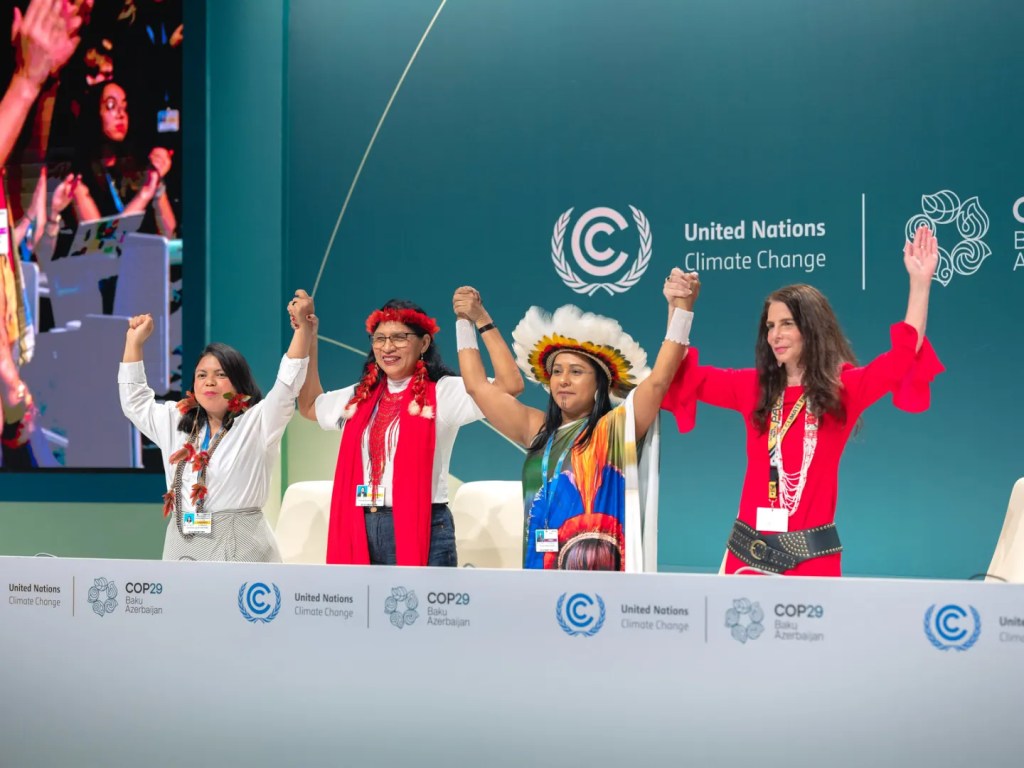
We call on the Council of Bishops to advocate for climate justice and to facilitate partnerships with those who bear the worst impacts of climate change. Action for creation justice is integrally connected with attention to human rights, Indigenous people and land justice, racial justice, and life itself.
As global temperatures rise, every place on earth is affected, but many of the poorest regions suffer the most severe effects. Most accumulated greenhouse gas emissions have come from industrialized nations, especially the United States, while poor nations with minimal historic emissions are experiencing the impacts of climate change first and worst, and may lack resources to respond to disasters caused by rising temperatures, rising seas, and extreme weather. In every country, children and people living in Indigenous, Black and Brown, or low-wealth communities are impacted most by both fossil fuel pollution and climate-related disasters.
Equitable climate financing is an important goal. Poorer nations received only 15% of global clean energy spending in 2024. For example, Africa has 60 per cent of the world’s best solar resources; it receives only two percent of the world’s clean energy investments but is being flooded with fossil fuel investments. Clean energy investment must be equitable not only as a moral imperative to alleviate suffering but also to meet global climate goals.
In seeking climate justice, it matters who is at the table. Regions most vulnerable to the deadly impacts of climate change and to fossil fuel pollution, and regions with huge energy deficits, must have significant input into the United Methodist Church’s overall approach to this issue. This requires prioritizing the advice and participation of people from conferences outside the United States in decisions about fossil fuels, energy investments, climate justice, and climate change, and recognition that many people from the most vulnerable regions on earth are farther along in this struggle than many of us in the United States.
It is our hope that the council will speak for environmentally just principles, policies and practices in arenas and gatherings of national and international policymakers and nation states, addressing the importance of achieving equitable climate financing, a fair and rapid phaseout of fossil fuels, and a just transition to a clean energy future.

