The conversation about divestment is a global one. I had an opportunity to connect with two United Methodists in Africa, one in Ethiopia, the other in Nigeria. Both support divestment, and are calling for the United Methodist Church to attend to creation care and the environment globally.
Rev. Gezu Mossissa is a United Methodist District Superintendent in the Kenya-Ethiopia Conference. Like church leaders everywhere, UMC Ethiopia has been involved in creation care efforts for years. Mossissa speaks to the everyday efforts, focusing on “environmental protection by planting trees and reducing waste materials from polluting the village.” In addition, the church applies “the 3R Principles, we ‘Reuse, Recycle and Reduce’ the waste from our community.”
Mossissa also advocates for divestment from fossil fuels. His reasons are many, including concerns for young people and the vulnerable, as well as ongoing disasters impacting Ethiopia. “I am supporting the divestment of fossil fuel in UMC because our future generation must be free of any kind of climate change problems affecting our planet.” Further, Mossissa explains, “As a creation justice movement leader I am part of the fossil free UMC in order to save our planet earth.”
Other concerns Mossissa addresses include “The benefit of divestment from fossil fuels in my community will balance the ecology of the country and protect the environment from pollution and C02 gas emissions that can expose the community to unnecessary drought, floods that lead to excessive environmental degradation.”
Mossissa and his community have not only the climate crisis to deal with, but also volumes of plastic waste and other pollution. In Ethiopia, the rivers can be full of this kind of waste. His efforts are twofold, to teach, to take action, and to be part of a movement addressing the challenge head on. These efforts are of high importance as they raise awareness in school communities and speak also to the growing challenges of agricultural productivity.

While Mossissa and his community hope the UMC will act, they are not waiting. Not only are they actively involved in planting trees for both fruit and re-forestation, they are also working to reduce waste and plastics, they also have a teaching programs engaging students and teachers for a green planet initiative.
Mossissa sees both creation care and divestment as two essential components for the future, “all the church must be involved in the fossil free initiatives for creating better future on our planet.”
Dinkin Kalbeth is a member of the United Methodist Church in Nigeria. He is an environmentalist who has been working to address environmental concerns for over a decade, as West Africa grapples with impacts that are devastating to land and community.
Kalbeth also supports divestment and care of creation. He lays out a straighforward assessment of the impacts of the climate crisis in Nigeria and wider West Africa, as well as his reasons for supporting fossil fuel divestment. With respect to his expertise and passion, these are his words:
“The climate crisis is a pressing issue affecting communities worldwide, including those in Africa. In many African countries, the impacts of climate change are already being keenly felt, exacerbating existing challenges such as food insecurity, water scarcity, and extreme weather events.
“Here are some key points I’d like UMC delegates to consider:
- Impact on Agriculture: Climate change is disrupting agricultural patterns, leading to decreased crop yields and threatening food security. Droughts and erratic rainfall patterns are making it difficult for farmers to predict growing seasons and plan their livelihoods.
- Water Scarcity: Many African communities rely on rainfall for their water supply, but climate change is causing shifts in precipitation patterns, leading to water scarcity in some regions. This not only affects drinking water availability but also impacts agriculture and sanitation.
- Vulnerability of Coastal Communities: Rising sea levels and increased frequency of extreme weather events are threatening coastal communities in Africa. Coastal erosion and storm surges are displacing communities and destroying infrastructure, exacerbating poverty and increasing the risk of conflict over dwindling resources.
- Health Impacts: Climate change is also impacting health outcomes in African communities, with increased incidence of vector-borne diseases like malaria as well as heat-related illnesses. Vulnerable populations, such as children and the elderly, are particularly at risk.
“There’s a nexus between Climate Change, poverty and food security. As a result of unstable weather patterns, the agro-based economies in Africa are becoming less able to respond and adapt. There is little emphasis and lack of sufficient funds to respond and reduce the risk of national, regional, and global disasters from climate change. The women and the children especially are the ones whose livelihood and lives are taken away. They cannot even access a meal a day to live through the next day; these women or children might be you or your loved one.”
Regarding divestment:
“Divestment from fossil fuels aligns with the principles of stewardship and care for creation (Genesis 2:15). By divesting from fossil fuels, the United Methodist Church can demonstrate its commitment to preserving the planet for future generations and reducing its contribution to climate change. Investing in renewable energy and sustainable practices not only mitigates the effects of climate change but also promotes environmental justice and supports communities disproportionately affected by fossil fuel extraction and pollution.
“In Nigeria for example, oil exploration and extraction activities have resulted in significant environmental degradation. Spills from oil pipelines and well blowouts contaminate water sources, soil, and farmland, leading to loss of biodiversity and destruction of ecosystems. This pollution not only affects the health of the environment but also poses serious health risks to nearby communities who rely on these resources for drinking water, fishing, and agriculture.
“Many communities in the Niger Delta region depend on fishing and agriculture for their livelihoods. Pollution from oil spills and gas flaring have destroyed fish habitats and agricultural land, making it difficult for local residents to sustain their traditional way of life. Fishermen and farmers often suffer economic losses as their productivity declines, exacerbating poverty and food insecurity in these communities.
“Divestment from fossil fuels aligns with the call for justice and compassion for the most vulnerable members of society, who often bear the brunt of the negative impacts of climate change and environmental degradation. This includes marginalized communities in developing countries, such as those in Africa affected by fossil fuel extraction, as well as future generations who will inherit a planet significantly altered by climate change.
“Proverbs 31:8-9 encourages advocating for justice for the vulnerable: ‘Speak up for those who cannot speak for themselves, for the rights of all who are destitute. Speak up and judge fairly; defend the rights of the poor and needy.’
“I see this move as a tangible way to live out our faith and fulfill our responsibility to care for God’s creation and love our neighbors.”
Kalbeth shares also his hopes of support from the United Methodist Church.
“Here are a few things I would like to see from the UMC:
- Advocacy and Education: The denomination should continue to advocate for policies that promote renewable energy, carbon pricing, and climate resilience globally. Additionally, providing educational resources on climate change and sustainable practices can empower communities to act.
- Community Development Projects: Supporting community-led initiatives for renewable energy projects, sustainable agriculture, and water conservation can help build resilience and reduce vulnerability to climate change impacts. This means continued support towards the Earthkeepers program of the denomination globally.
- Partnerships and Solidarity: Establishing partnerships with local organizations and communities to address climate change and environmental justice issues can foster solidarity and mutual support.
- Policy Engagement: Engaging with governments and international organizations to advocate for ambitious climate action and equitable solutions that prioritize the needs of vulnerable communities will be very Important.”
God bless Rev. Mossissa and Dinkin Kalbeth in their service to God, their care for Creation, and their call to the United Methodist Church to respond to the needs of people and this good earth.
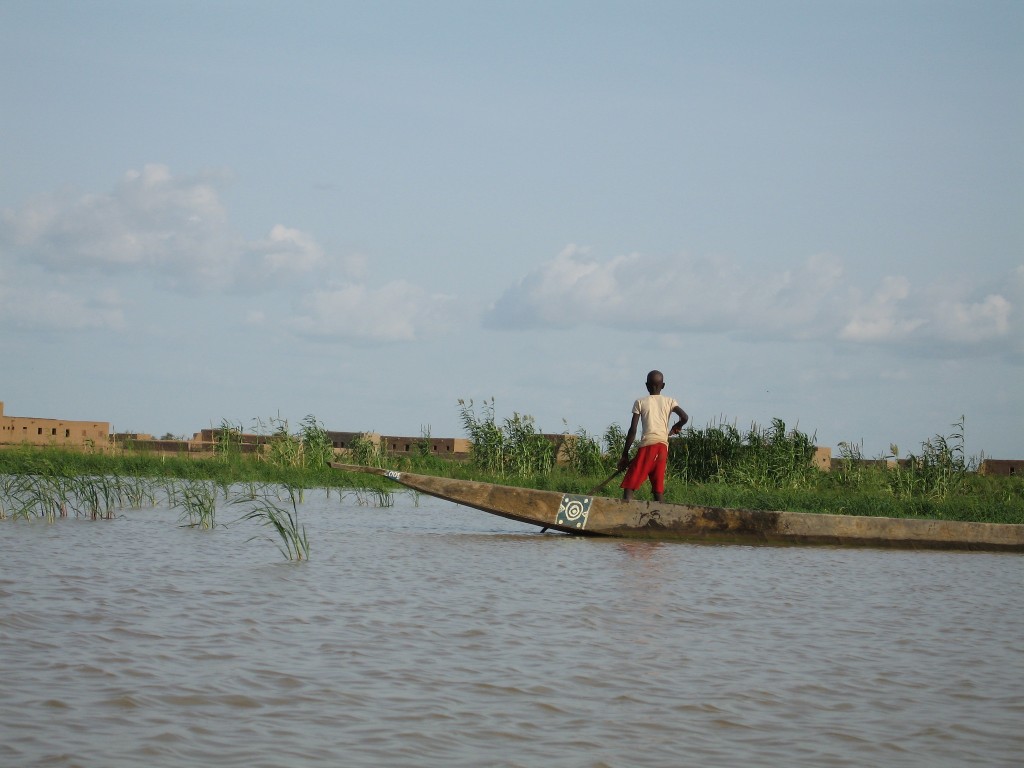
Cover image by Jurgen, Niger Delta, CC BY 2.0 DEED
Rev. Richenda Fairhurst is an elder in the Greater Northwest Area of the UMC, living in Southern Oregon. She volunteers with the United Methodist Creation Justice Movement and a number of other organizations at the intersection of faith and climate change. Find her at justcreation.org
 FossilFreeUMC
2 responses to “From Ethiopia and Nigeria – African Church Leaders Call for Divestment”
Beautiful!
Bill
LikeLike
Great work .let us join hand to hand to save our generation.
Sent from Yahoo Mail for iPad
LikeLiked by 1 person