by Rev. Kimberly Hornung-Marcy
Biofuels are increasingly heralded as a cleaner alternative to oil and gas. Yet emissions and environmental research tells us that biofuels are a false solution. Biofuels and biofuel investment continues to harm the earth, cause emissions, and harm the local as well as the global environment.
Scroll for information, links, and more about biofuels.
First, what are false solutions? False solutions are ideas to address the climate crisis that do not hold up under scrutiny. False solutions often themselves cause significant emissions, and too often perpetuate destructive “business as usual” systems and continue to harm or degrade the earth. They also detract from the real solutions we need.
Biofuels are a false solution. Here’s how: The fossil fuel industry is actively pursuing the false solution of using “biofuels” as an energy alternative to burning oil and gas for everything from home heating to transportation. These fuels include things like renewable natural gas, biomass (wood), green hydrogen and biodiesel.
These false solutions might sound good in a brochure, but often have a carbon emissions cycle that is the same or worse than fossil fuels. The reality is, if you burn it, it produces greenhouse gases. Read also, Over 500 scientists to world leaders: do not burn trees for energy.
What Methodists can do. As such, not only do we need to reject biofuels as a solution, we as Methodists also need to stand in our faith to do so. We can do this by changing our Social Principles:
Social Principles. Revise to: The burning of any fuel that produces greenhouse gases, whether fossil fuels—including coal, oil, natural gas or so called biofuels—these are all contributors to the buildup of greenhouse gases and the consequent warming of earth’s atmosphere.
This above is a suggested revision to the United Methodist Social Principles in order to reflects the truth that no gas or biomass is “lesser” when it comes to the harmful impacts of greenhouse gas. The revision reflects also that it is imperative that moral people act to stop burning any fuel that produces greenhouse gases. We are in an emergency situation and must be clear that when it comes to emissions, the stability of the earth’s climate is at stake.
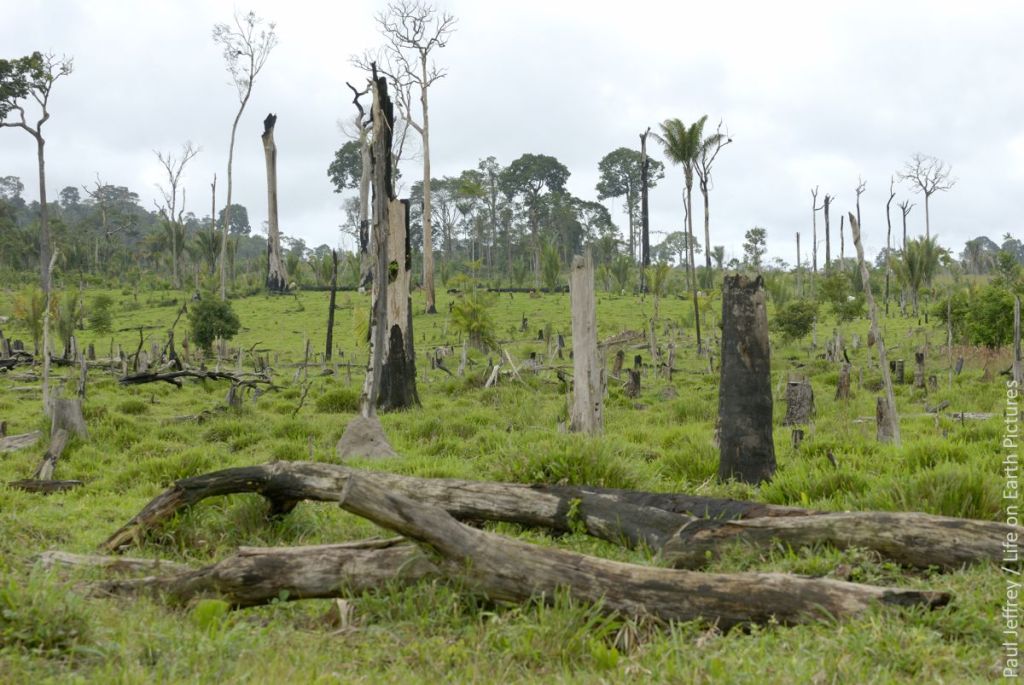
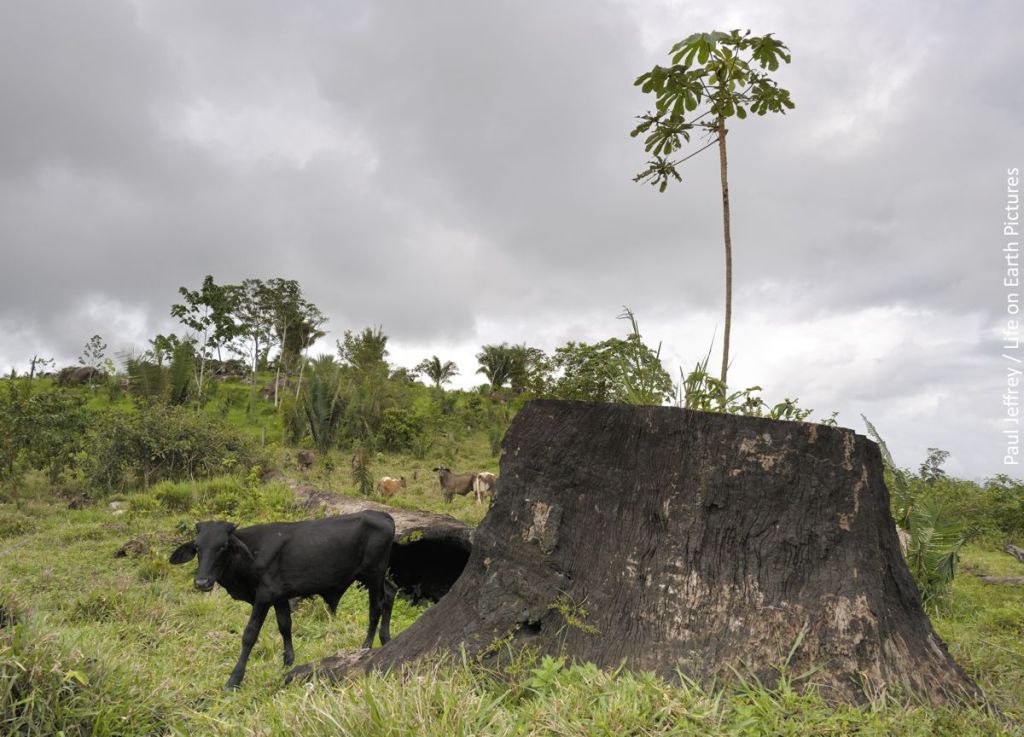
It is not only emissions that should trouble United Methodists, but also the social/ecological factors from which biomass deforestation rises. Deforestation in Brazil and elsewhere has complex drivers which include mega plantations devoted to production of biomass such as palm oil. Some of the biomass harvest from these plantations are used to power mega industries, such as mines, and to give ‘offsets’ to major corporations. The plantations themselves have a history of violence, including displacing Indigenous people and smallholder farmers, all while being styled financially as a worthy investment. Read the stories of Indigenous people and farmers in Para, Brazil, of the killing of Sister Dorothy Strang, threats to the Archbishop of Porto Velho, and a Brazilian Agro-Forester in fear for his life.
Biofuel industry false solution examples:
Renewable Natural Gas (RNG)
Landfills are proposed as a site from which Renewable Natural Gas (RNG) can be collected then transported. Yet, landfill emissions, animal manure or other crops used to make Renewable Natural Gas are all still 97% methane, just like fossil gas. It has the same dangerous emissions as regular methane when it leaks as it is piped and it produces carbon when burned. It is better to convert landfill methane directly to electricity on site, rather than include the expense and spills and leaks of liquifying and piping it long distances.
If large animal farms (CAFOs—Concentrated Animal Feeding Operations) are used, this also is problematic. It is well known that CAFOs produce copious methane and are the cause of significant other pollution, as well. As such, they should not be encouraged. Cattle, with just the process of digestion alone, produce a huge amount of methane.
If crops are what are used to produce renewable natural gas, the result is deforestation as forests are cut down for the production of cheap oils such as palm oil. Growing crops for commercial oils instead of food can mean high food prices for the poor, and extreme exploitation of land, especially in third world countries which produce palm oil. It also can mean human right abuses against Indigenous people, including the devastating loss of forest homeland. When Renewable Natural gas comes from crops such as corn, studies show this can increase emissions rather than reduce them, due to loss of forest, and the large fossil fuel burning equipment and fossil fuel based fertilizers used in agriculture.
An additional challenge is that gas companies charge more for renewable natural gas while mixing only small amounts of it into regular fossil gas fuel. Read more about the “fatal flaws” of so called renewable natural gas.
It may be that for true special cases, such as the need for cleaner aviation fuel, or in heavy industry, the clean transition may require temporary use of RNG and green hydrogen to bridge the gap until truly clean options are developed. We must, though, guard against delay in investing in the development of technologies that meet necessary reductions.
Biodiesel has the same issues as renewable natural gas, burning it still produces greenhouse gases. To add to that, the use of animal fats or plant oils to make RNG continues the problems that rise from CAFOs and deforestation. Land is much better restored and/or used to scale up food production.
Biodiesel and other biofuels are linked also to human right abuses, including real harm to indigenous peoples, their life ways, and land.
Biomass (wood). Wood is the least efficient fuel we burn, it therefore takes more of it and produces more Co2 than any other fuel per kilowatt of energy produced. Research shows that biomass is a false climate solution.
Wood smoke is similar to cigarette smoke and contains five of the six critical air pollutants and many other hazardous air pollutants. The American Lung Association 2023 review of Scientific literature states “Wood has replaced coal in many states as the prime cause of mortality.”
In addition, wood means the destruction of trees and habitat. The trees that sequester the most carbon are the older trees, so the older they are the better. Cutting and burning trees stops the forest growth, maturation, and carbon sequestration process, sending instead the carbon directly to the atmosphere, thus contributing to the crisis of climate change. No current peer reviewed science considers wood to be renewable. We do not have enough time for the trees to mature and catch up with the constant harvesting.
Sequestration takes years. Old growth is the best way to sequester forest carbon. A single 150 year old oak tree sequesters 8 tons of carbon. It takes 465 10 year old oak trees to sequester the same 8 tons, and it takes a lot more land. Forests are under stress from climate change, invasive plants and insects, and wildfire. We need to add to forests, not cut them down.
Harvesting, processing and transporting wood also uses a lot of fossil fuel emissions. So called “waste wood” should be left in the forest to slowly decompose and amend the soil.
No matter how modern, a wood stove is emitting a lot of pollutants into the home and the neighborhood. Currently a number of State Attorneys General are suing the EPA because their testing of wood stoves is so unreliable. To meet the crisis, real criteria and testing must be used in order to report on the real health challenges of burning wood.
Green Hydrogen: Hydrogen is the smallest molecule in the universe and therefore extremely difficult to move through pipelines. It takes a huge amount of energy to produce it. It is also highly flammable, so while it may have some uses in manufacturing it is not appropriate for heating/cooling homes. Because it is so dangerous, gas companies will be mixing only a very small amount of it into regular fossil gas, meaning fossil gas continues to be moved through pipelines and into neighborhoods with all of the problems associated with that, including leaks, household illnesses, and emissions.
Rev. Kimberly Hornung-Marcy is a retired elder in the New England Annual Conference of the United Methodist Church, serving in campus ministry at the University of Rochester, Rochester, NY and parishes in Connecticut, Minnesota, and Vermont. Her focus now is addressing climate change.
 FossilFreeUMC
One response to “Investment Myths: Biofuels”
[…] by divesting from fossil fuel corporations, and eschewing false solutions, such as biofuels, we cut off the social license and veneer of respectability that The United Methodist Church […]
LikeLike